
 The spooky overtones of dark ambient get a real workout in Pang’s new release, Garden of Menace. At times they’re allowed to stalk and lumber around by themselves and at other times they’re dipped in a batch of glitchy IDM beats. (You know, in case you feel like tapping your foot while ruminating on the cold meaninglessness of existence.) According to info at the label, Daddy Tank Records, this disc has been hiding out on the internet for “years.” Which is a shame, because it’s certainly worth a listen, especially given how equally well Pang plays both sides of the equation. There’s plenty of dark matter here, thick and shifting walls of grim-grey sound that are at their strongest when Pang uses them to craft abstract forms and atmospheric explorations. The opening track, “Plains,” is exactly that, to the point where I thought I was in for just another dark ambient CD. “Hollows” drags the listener through a groaning miasma of layered shadow for an effective sense of being quite lost. But drop in those beats and you get tracks like “Lost Pictures,” which is stripped down and minimal, a descriptive hiss of sound that’s in constant frantic motion, or “Purlon,” which probably best shows aspects from both edges of its heritage and has a strong sense of narrative to boot.
Garden of Menace brings an interesting perspective to dark ambient, and Pang is talented enough to pull off his switches of tone without sounding forced or precocious. There’s no sense of shifting out of the genre just because Pang drops a beat; rather, it augments the constant darkness and lulls you in with a familiarity that Pang can take away as he pleases. Well worth a listen.
Available from Daddy Tank Records.

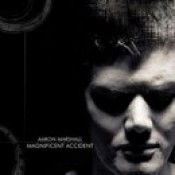 Aaron Marshall takes on the cycle of life in his 2008 release, Magnificent Accident, a moving work composed in well-drawn musical sketches. Marshall moves gracefully through a diverse mix of styles, from melodic instrumentals to flowing abstractions, all without losing his strong emotional thread. And then there’s his practiced narrative eye to consider. Marshall is telling a story here, and it shows. Pieces connect smoothly like slow fades between scenes, and every detail matters. His playing is a pleasure to listen to, no matter the instrument–the delicate piano runs that glisten across “Escape Into the Storm” are as engaging as the guitar work that forms the basis of the gorgeous “Fragments of Twilight.” Marshall is also adept at piecing together a deep, more ambient sound, as evidenced in the dark and church-somber movement of “Last Breath” and (even more so) the soft, meditative space created in the 17-minute-long closing track, “A Blinding White.” Both pieces, through built on long, warm pads and gentle movement, still carry the weight of emotion.
 Hypnagogue Music Reviews